
Blog
The Deluge Dilemma: Impact of Current Floods on IT and Telecommunication Businesses in Kenya
As Kenya grapples with the aftermath of devastating floods, the repercussions extend beyond displaced communities and damaged infrastructure. The inundation has cast a shadow over the country’s IT and telecommunication sector, posing unique challenges to businesses operating within it. This article delves into the profound effects of the current floods on these vital industries, exploring the disruptions, adaptations, and the path to resilience.
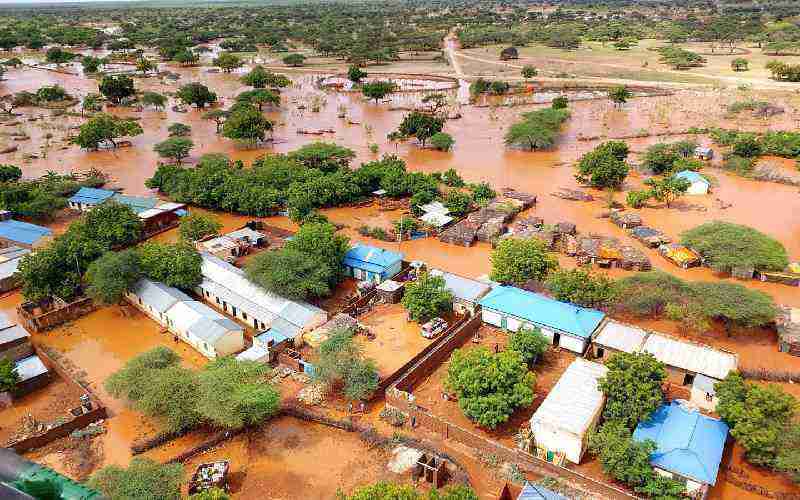
Disrupted Connectivity: One of the immediate casualties of the floods is the disruption of communication networks. Floodwaters can damage critical infrastructure such as cell towers, underground cables, and data centers, leading to widespread outages. In a country heavily reliant on mobile communication and internet services, this breakdown hampers not only personal communication but also essential business operations. Remote work, online transactions, and access to vital information become compromised, amplifying the economic impact of the natural disaster.
Logistical Challenges: The logistics of maintaining and repairing IT and telecommunication infrastructure become exponentially more complex in flood-affected regions. Repair crews face difficulties accessing submerged areas, exacerbating the time needed to restore services. Additionally, transportation routes may be impassable, hindering the delivery of equipment and supplies necessary for repairs. These logistical hurdles prolong downtime, prolonging the disruption to businesses and impeding the sector’s recovery.
Data Security Concerns: Floods not only disrupt connectivity but also raise concerns about data security. Damage to data centers or servers can result in data loss or breaches, compromising sensitive information. Furthermore, the inundation may render backup systems ineffective, leaving businesses vulnerable to permanent data loss. Safeguarding data amidst natural disasters presents a significant challenge for IT and telecommunication companies, requiring robust disaster recovery plans and infrastructure resilience measures.
Financial Implications: The financial toll of the floods on IT and telecommunication businesses is substantial. Revenue streams are disrupted as services are interrupted, and customers may seek alternative providers due to prolonged outages. Moreover, the cost of repairing and replacing damaged infrastructure adds to the financial strain. For smaller companies with limited resources, these financial burdens may threaten their viability, necessitating government intervention or support from industry stakeholders to facilitate recovery.
Adaptation and Resilience: In the face of adversity, businesses in the IT and telecommunication sector must innovate and adapt to mitigate the impact of floods. Investing in resilient infrastructure, such as flood-resistant data centers and elevated communication towers, can help minimize damage and downtime during future disasters. Implementing redundant systems and backup solutions ensures continuity of services even in the event of infrastructure failure. Collaborating with local authorities and disaster response agencies enables quicker response times and coordinated efforts in restoring connectivity.
Government Intervention: Government intervention is crucial in supporting the IT and telecommunication sector in the wake of floods. Allocating resources for infrastructure repair and upgrading to withstand natural disasters is paramount. Additionally, regulatory frameworks should be adapted to incentivize investment in resilience and disaster preparedness. Collaboration between the public and private sectors is essential to develop comprehensive strategies for mitigating the impact of floods on critical infrastructure.
Conclusion: The current floods in Kenya have underscored the vulnerability of the IT and telecommunication sector to natural disasters. From disrupted connectivity to data security concerns and financial implications, businesses face multifaceted challenges in navigating the aftermath. However, by embracing innovation, investing in resilience, and fostering collaboration, the sector can emerge stronger and more resilient in the face of future disasters. As Kenya rebuilds and recovers, prioritizing the resilience of its IT and telecommunication infrastructure is imperative for the nation’s socio-economic development.
Also Check
PBX AND VOIP PHONE SYSTEMS: WHICH IS RIGHT FOR YOU?
Structured Cabling Cabling Solutions